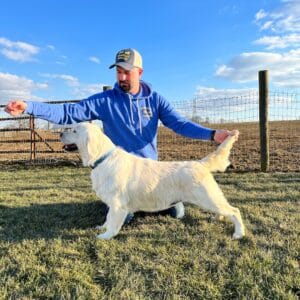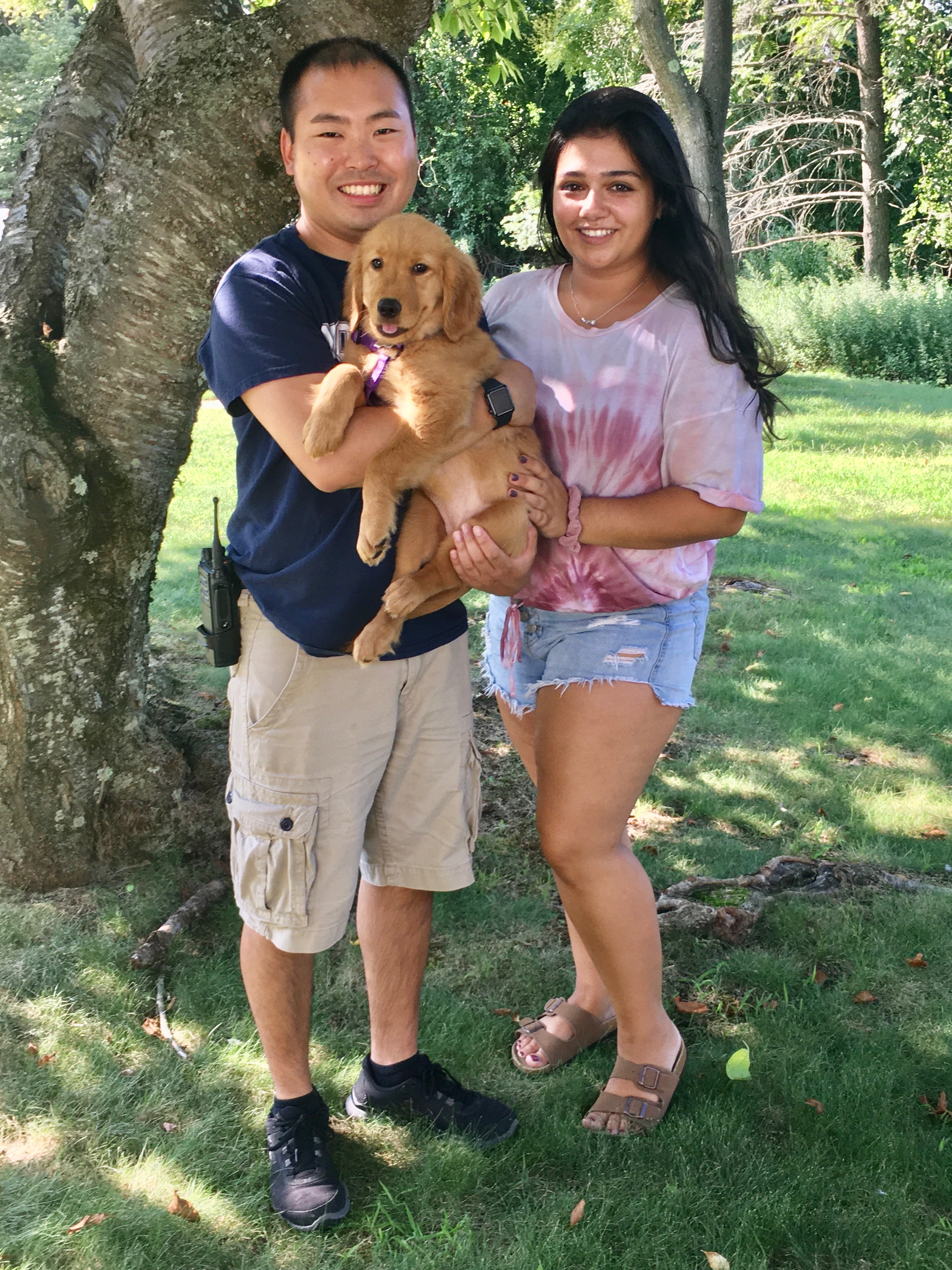


When exercising your European Golden Retriever, finding the right balance is key to maintaining their physical and mental well-being. European Goldens, known for their calmer temperaments and balanced energy levels, require a different exercise approach than their American counterparts.
Puppy Exercise Guidelines (2-12 months)
The foundation of your Golden Retriever’s health begins in puppyhood, and proper exercise during this crucial development period is essential. The general rule of thumb is the “5-minute rule” – limit structured exercise to 5 minutes per month of age, twice daily.

For example, a four-month-old puppy should have no more than 20 minutes of formal exercise per session. This controlled approach protects developing joints and bones while allowing for natural play and exploration. With their naturally steadier temperaments, European Golden Retrievers often adapt well to this measured exercise approach.
Short training sessions, puzzle toys, and supervised free play in a safe area provide the perfect combination of physical activity and mental stimulation for your growing puppy. Watch for signs of fatigue, such as lagging, lying down, or excessive panting, which indicates it’s time for a rest.
Adult Exercise Requirements (1-7 years)
Adult European Golden Retrievers typically require 1-2 hours of exercise daily, split into multiple sessions. Unlike some higher-energy lines, European Goldens excel at maintaining a steady, moderate activity level throughout the day.
Walking remains the cornerstone of a good exercise routine, with 30-45 minute sessions being ideal. Swimming is another excellent option, tapping into their natural retrieving instincts while providing low-impact cardiovascular exercise. Most European Goldens take naturally to water, thanks to their historical breeding as water retrievers.
Mental stimulation is equally important as physical exercise. Incorporate nose work, training games, or structured obedience sessions into your daily routine. European Goldens, bred for both working ability and companionship, particularly excel at activities that combine physical and mental challenges.
Special Considerations
Weather significantly impacts exercise needs and safety. In warm weather, exercise during cooler hours and always provide access to fresh water. With their typically denser coats, European Golden Retrievers may need extra consideration during hot weather.
Pay attention to your dog’s exercise tolerance. Signs of appropriate exercise include maintaining energy levels throughout the day, sleeping well at night, and displaying calm behavior indoors. Over-exercise can manifest as excessive panting, reluctance to move, or irritability.
The genetic advantages of European breeding are often shown in their exercise patterns. These dogs typically display:
- Better self-regulation of energy levels
- A natural inclination toward moderate activity
- Excellent recovery between exercise sessions
- Strong focus during training activities
Adjust your exercise routine seasonally and based on your dog’s age and fitness level. Winter might require shorter sessions but can include activities like snow play, while spring and fall are perfect for longer outdoor adventures.
Start Right with a Rockvale Puppy
At Rockvale Puppies, we understand the importance of proper exercise in raising a well-balanced European Golden Retriever. Our breeding program specifically selects dogs that exhibit the classic European traits of steady energy levels and natural exercise moderation.
Each puppy comes from lines carefully chosen for their balanced temperaments, making it easier for families to maintain appropriate exercise routines. We provide ongoing support to help you develop an exercise plan matching your puppy’s developmental stages and needs.
Our dedication to European breeding standards means your puppy will be predisposed to maintaining healthy activity levels without the excessive energy that can make exercise challenging. This genetic advantage, combined with proper guidance, helps ensure your Golden Retriever grows into a well-exercised, balanced adult dog.
Ready to welcome a European Golden Retriever with naturally balanced exercise needs into your family? Contact Rockvale Puppies today. We’ll help you prepare for every stage of your puppy’s development, including creating an appropriate exercise plan that will grow with your dog.
Remember, a well-exercised Golden is a happy Golden. With our European lines, you’ll find the perfect balance of activity and rest that makes these dogs such exceptional family companions.